
One of the most frustrating aspects of the journey through the creation of RESTORE – and within this emerging field of Therapeutic Horticulture (and related areas) – has been the constant battle of the dollar! Having to constantly prove the monetary worth of the evidence that demonstrate the benefits of planted places and having this be such a dominant criterion for value and worth.
Before I get off my little soapbox, I need to vent my complete bafflement at the fact that we try to define (and monetise) a completely subjective and sensual experience (that of being in planted places), which often cannot even be expressed, let alone defined or ‘costed’. While the medical profession may require a viewpoint of days of professional attendance and beds occupied – as I found in discussing Supportive Spaces in the previous article – the true value of such spaces lays on a far wider spectrum.
And time is certainly something many of us feel we have ‘too little’ of at present, with the pressures of extractive capitalism constantly telling us ‘time is money’. Let’s flip that idea a little and tweak the interpretation to one of ‘investment’ – in people, in relationships, in connections and meaning. Yes, time spent within a system that pays by the hour is indeed about money, but it can be seen as a positive investment and engagement with a task, role or activity – and especially an investment in people.
Time is the most valuable gift we have to invest and give to someone or an experience, NOT because it is monetised, but because we are only on this planet for a finite (and unknown) amount of time. That gives it inherent value beyond the dollar allocated to it, and by investing time we enhance the meaning and purpose of the activity or person that time is given to. And right there is already the key wording – given! It is not bought, not traded, but freely given – a gift of time.
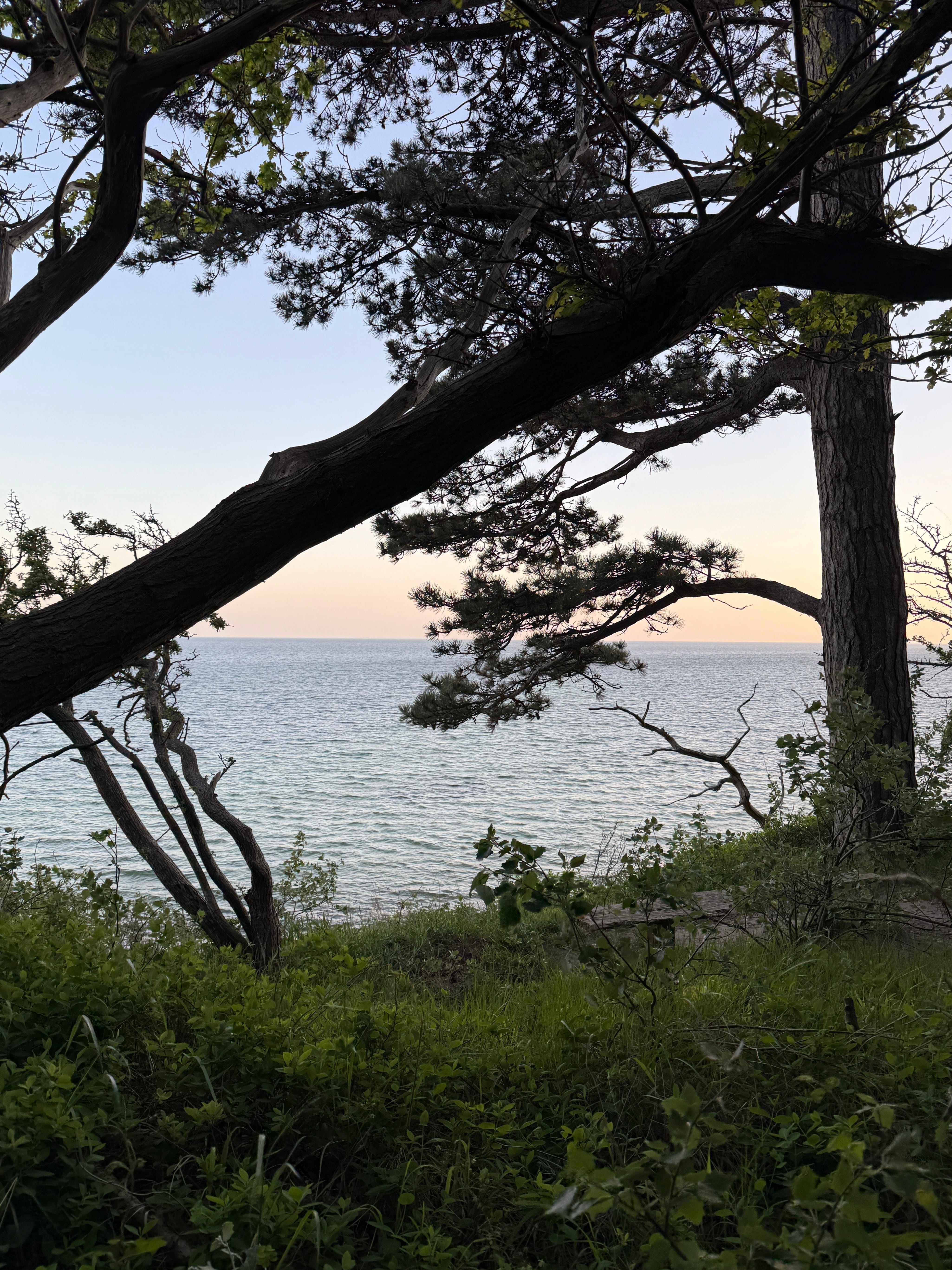
I’ll return from the slightly over-romanticised concepts here and give a further example. The social connections, meaningful relationships and feelings of belonging that we all long for have been the selling point of ‘social media’ platforms. And yet, the speed of the ‘like’, the contraction of word limits in comments, the turnover of posts and stories all ensure that these interactions can never be what we actually seek in them.
In a number of books, podcasts and other sources I have engaged with recently, the idea of creating (and needing) meaning in our lives has been a focus. Meaning is what provides us with satisfaction, contentment and even happiness and joy. The deeper connection with people and life around us and time spent as an active member of a greater system offers this – when we invest time in these relationships and experiences.
Perhaps another way to explain it is the contrast between ‘cost’ and ‘value’, which I saw discussed in relation to Biophilic Design recently. (I recognise that I am once more playing carefully with word nuances, but it yet again demonstrates why words and language matter.) The dollar price limits itself to the ‘cost’ of an object or of time measurements, whereas value has the nuance to be something more human, something felt and perhaps even treasured.
It points to a deeper worth, beyond only being measured at a monetary scale, hinting at effort and care and greater investment – deeper respect and recognition perhaps? I wonder if such deeper, often more personal value also becomes stronger over long periods of time? The value of time denotes effort and personal investment that lasts and requires some longevity and persistence, not only occurring until it doesn’t suit us anymore or becomes slightly less convenient. There is no short-cut in giving and valuing time. And perhaps personal attachment also increases over time, because a relationship and depth of engagement can be developed.
With everything at present being seen to have a monetary cost – even nature, within the concept of ‘ecosystem services’ – we are dominated by extractive capitalism. That concept has humans on the top of the pyramid of priorities, with every consideration being connected to what use anything has to people. However, we are just one part, one factor within a huge system. Extractive capitalism and monetary worth (both human designed concepts) lead us to believe we have some kind of control and power on this planet, when in fact climate change for example, is showing us that this is not the case. We have influence and we can create impact, but we are certainly not in control of Nature.
Considering value instead of cost also returns to concepts of personal trade and exchange. Perhaps even the hand-made, the analogue and the crafted? While researching and contemplating this, some other related concepts came to mind: thoughtfulness; depth; effort; energy; care; investment. These are all things that cannot be rushed, they require patience, attention to detail and perhaps even some sense of wisdom and determination.
This is where I believe planted places come in to support us – by slowing us down. Nature cannot be rushed (yes, you can extend a growing season, but unless you make the environment entirely artificial, it cannot be controlled). Planted places provide spaces of calm and restore us, allowing for new ways to connect literally and metaphorically to the landscapes in which we exist.
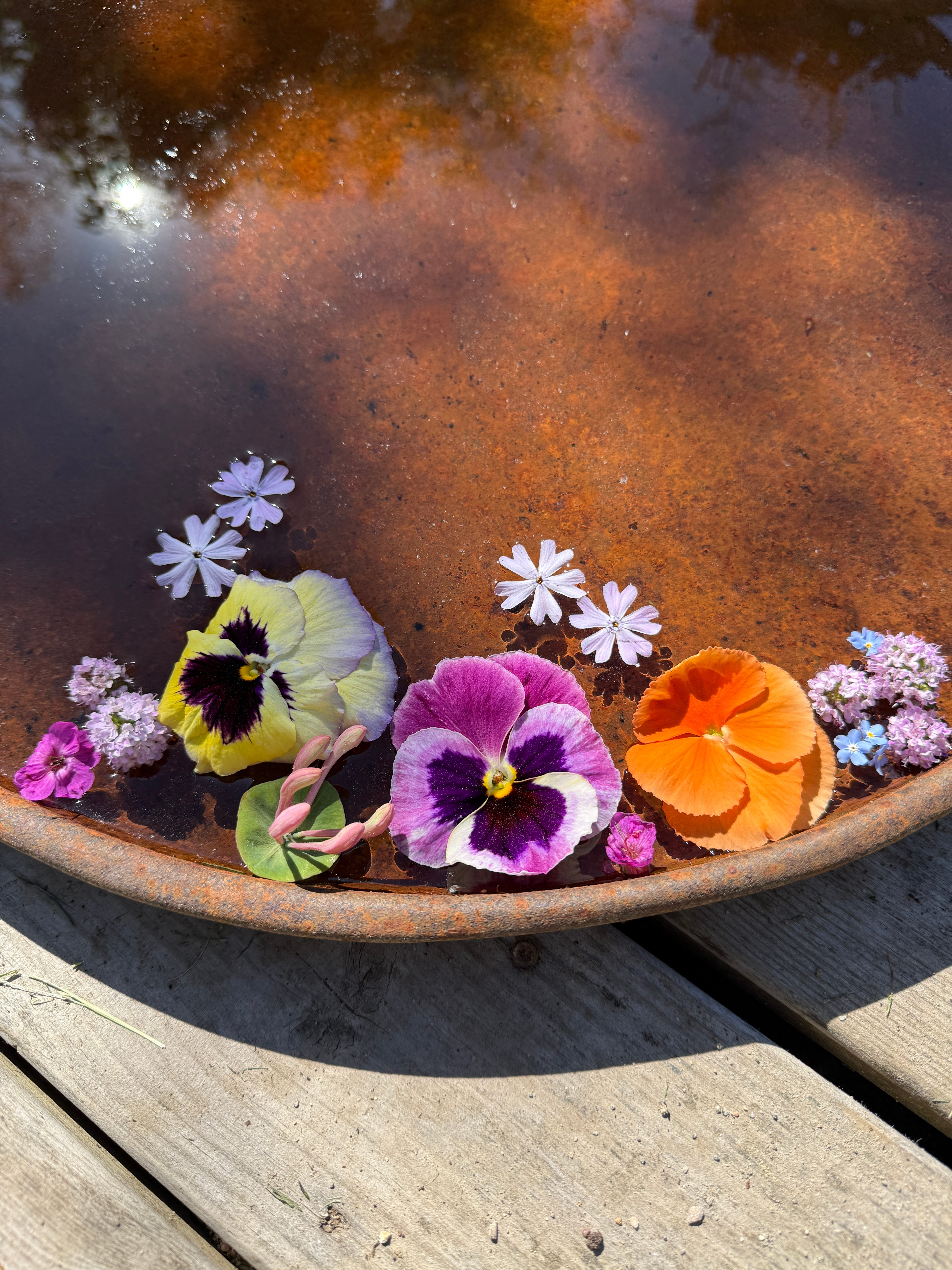
Making time to garden side-by-side supports easier conversation; open space can draw out big feelings and give them space to be expressed; and supporting growth in a planted place forces us to be patient – waiting to see change and reap the rewards of efforts and time invested. Planted places thereby function on a different time scale to capitalism – a week is rarely enough to see much change in growth, but a month, or a season offers great change, reward and harvest. It reminds us that effort and anticipation is gratifying – as many people say, the things we work hard or wait for are the most worth it!
It’s actually quite simple, though not easy – investing time can be challenging in the present state of things. Yet time also gives us space to make mistakes, which is how we best learn and grow by trying again – and all of this takes time. You gain from investing time (just as you may from investing money), but making and giving time is very rarely a quick fix. It is the experience of the investment and most of all the ‘return’ that has such meaning. We need to ‘make’ time for people and experiences we love / enjoy, not just expect to ‘have’ time, because the superficial entertainment of capitalism will fill our hours with distraction.
Making time to spend in a garden gives back to the bigger system – investing in ‘self’ and more-than-human life. As said, time spent with plants and nature does not let us humans dominate or control, we have to learn patience and wait – appreciate the anticipation and the hope that comes from future rewards. How do you put a price on that? Being in a planted place is an experience, something felt and sensed, which also makes it entirely personal and subjective. That cannot be standardised, measured or costed.
Finally, as humans, we have that unique grasp of time which recognises the past, the present and contemplates the future. Gardening and actively engaging with Nature is a hopeful act of investing time – investing in the future and creating meaning. Give a plant some time and it will regrow, reshoot – it just wants to live, which is very simple. By connecting to the rhythms, seasons and flows of Nature, we engage in relationships with the living world and create greater meaning than the randomised and less valuable monetary worth of ‘stuff’. What really matters is simple (if not easy) and definitely worth it!
Great write up! Thank you for reminding me of how valuable time is.